FOUNDED 2026 · EST. CONSCIENCE PRESS · INDEPENDENT JOURNALISM

CONSCIENCE

Sunday, 26 February 2026·Sunday Edition·Free

"What Your Cart Really Carries"

Fast Fashion Supply ChainsCacao Farmgate PricingGreenwashing RegulationCertified B-CorpsPalm Oil DeforestationFair Trade CertificationMicroplastics in TextilesCarbon LabellingLiving Wage AuditsRainforest AllianceUyghur Forced LabourOrganic Cotton CertificationFast Fashion Supply ChainsCacao Farmgate PricingGreenwashing RegulationCertified B-CorpsPalm Oil DeforestationFair Trade CertificationMicroplastics in TextilesCarbon LabellingLiving Wage AuditsRainforest AllianceUyghur Forced LabourOrganic Cotton Certification
Wardrobe

The Clothes on Your Back

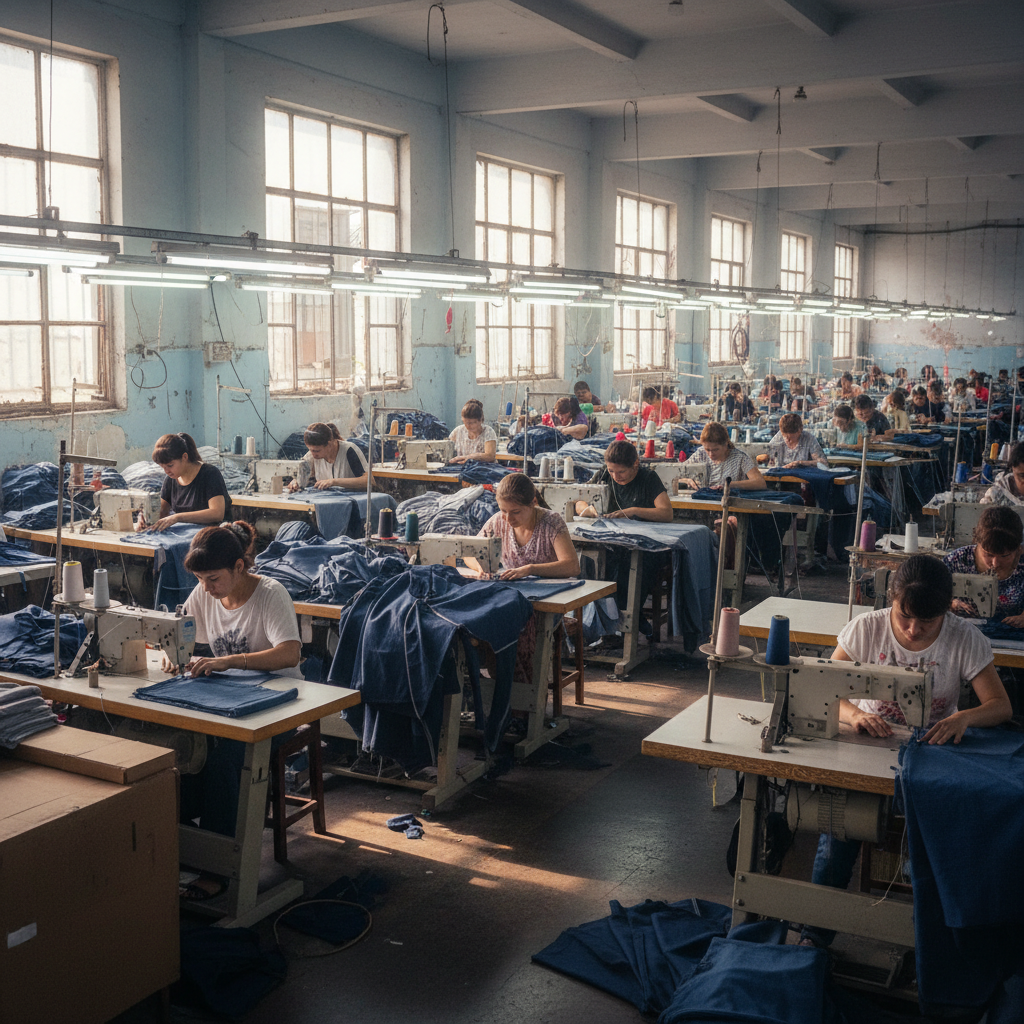
Garment workers in a textile factory in South Asia, rows of sewing machines

Gazipur Export Processing Zone, Bangladesh — November 2025

WardrobeFeatured Investigation

"The label says Made in Bangladesh. It should say Made by Fatema, age 29, on a Wednesday in November, for £0.43 per hour."

A single unbleached cotton boll leaves a Barmer field in October. By the time it arrives — washed, cut, stitched, and shrink-wrapped — it has passed through eleven pairs of hands across four countries. We followed every one of them, from the ginning mill in Rajasthan where Meena Devi earns ₹280 a day to the export warehouse in Chittagong where your t-shirt is folded, bagged, and loaded onto a container ship.

What we found is not a story of villains. It is a story of a system so optimised for cheapness that the people inside it cannot see the whole of what they are part of. The cotton farmer has never met the seamstress. The brand manager has never visited the field. And you, standing in the changing room, have never been told any of this.

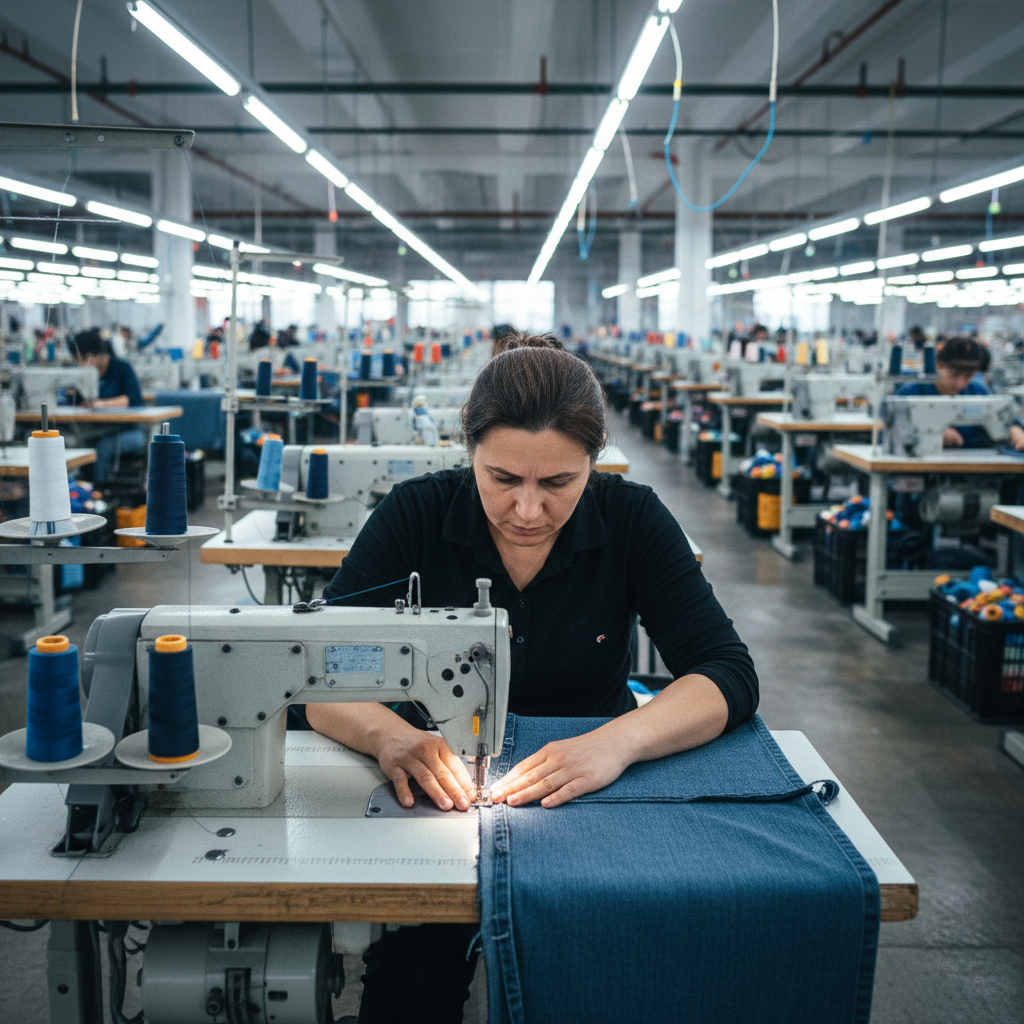
Garment worker at a sewing machine in a textile factory
Labour14 min

In the four months between October and January, Fatema Begum will sew approximately 1,400 garment labels. None of them will say her name.

Read the Investigation
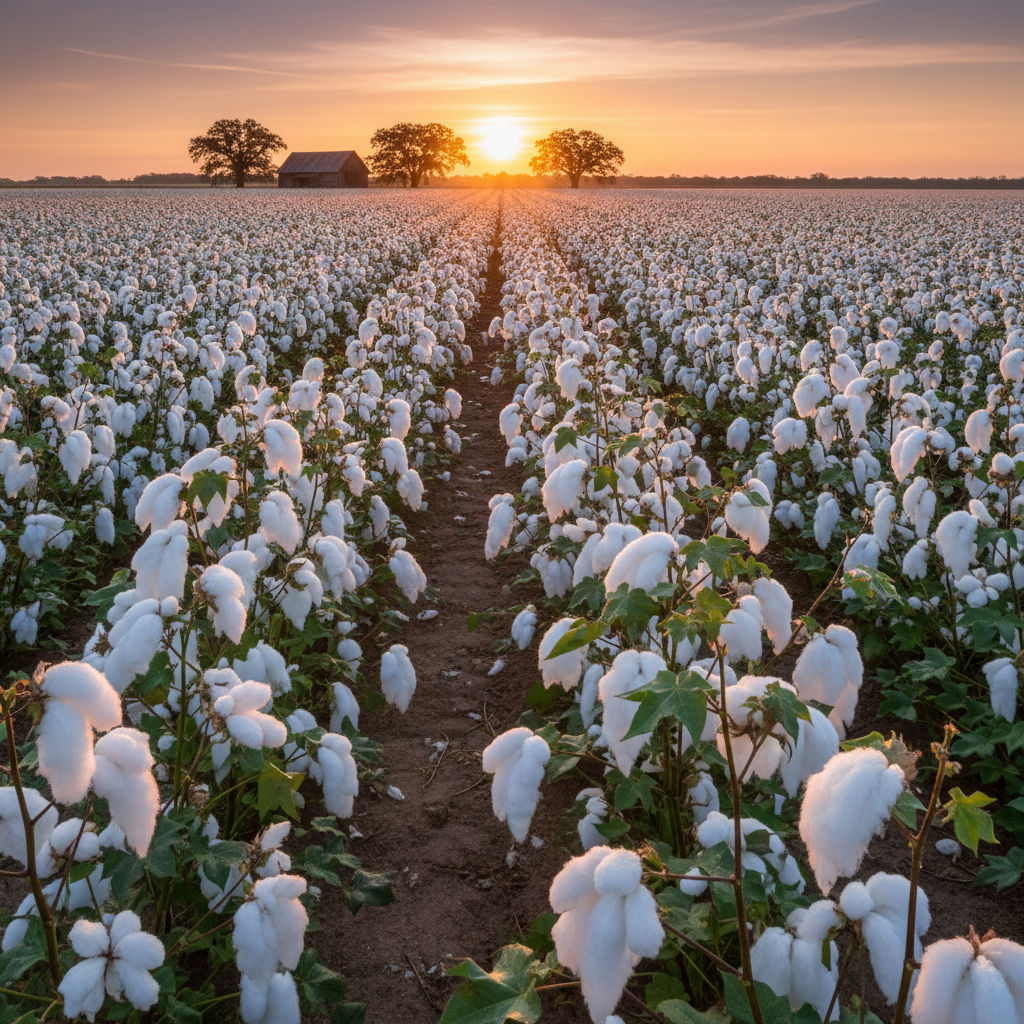
Cotton field in bloom under golden afternoon light
Certification18 min

The GOTS certification costs €4,000 to obtain and requires zero soil testing. A three-year investigation into what "certified organic" actually means at field level.

Read the Investigation
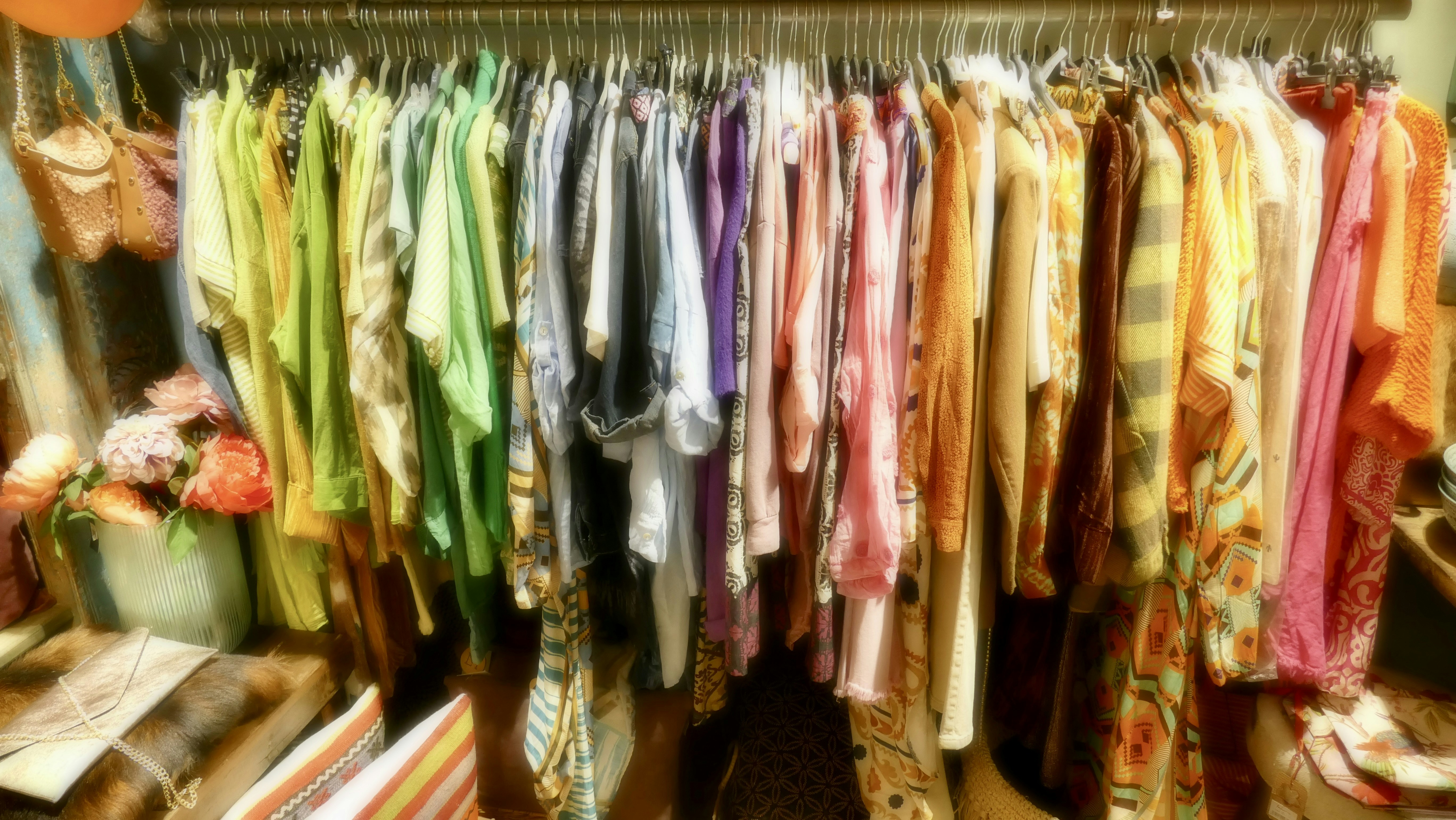
Colourful second-hand clothing hanging on a rack in a vintage shop
Circular Economy11 min

Resale platforms generated $177 billion in 2024. The garments they couldn't sell were shipped to Kantamanto Market, Accra. We visited both ends.

Read the Investigation
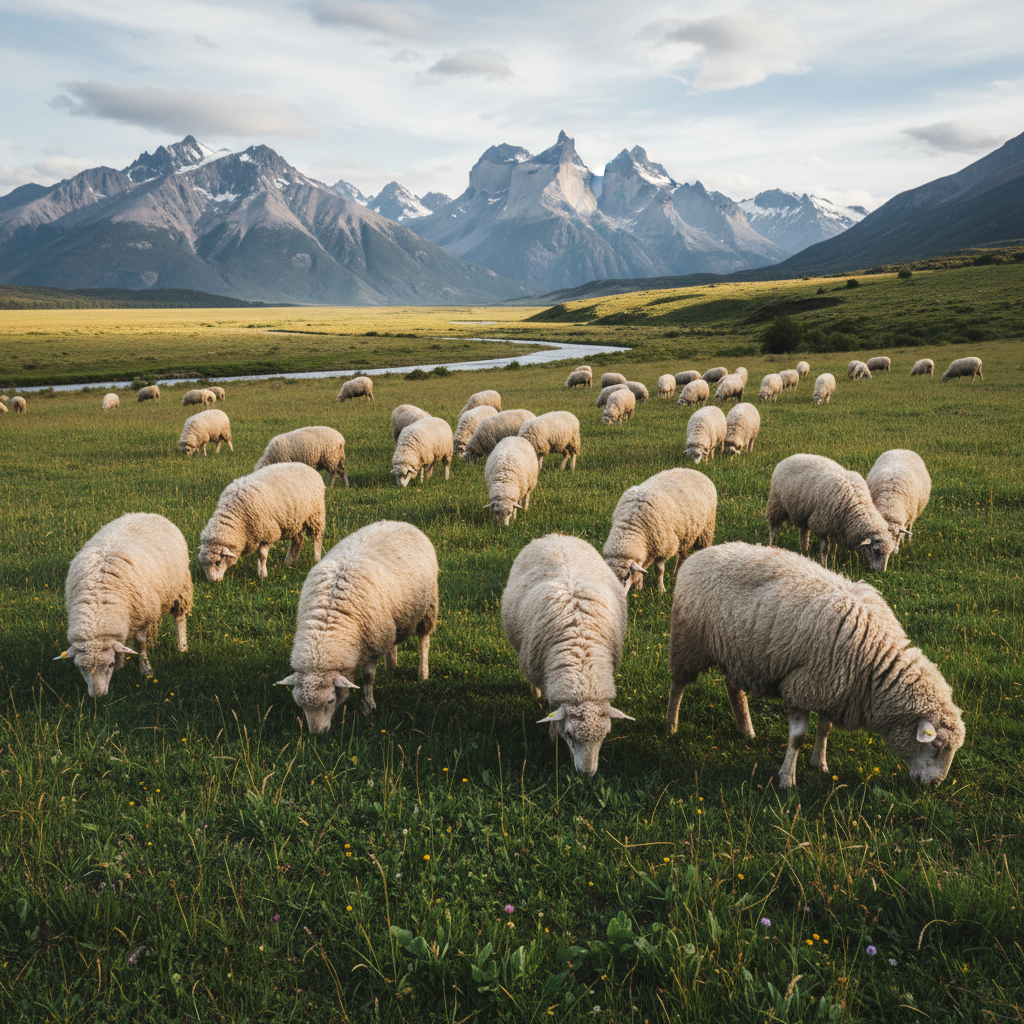
Merino sheep grazing on Patagonian grassland with mountains behind
Land Rights16 min

The estancia producing merino for a major outdoor brand sits on land whose title is disputed by three Mapuche communities. The brand's sustainability report does not mention this.

Read the Investigation
Pantry

What You Eat and Where It Comes From

PantryFeatured Investigation

"The supermarket paid €1.20 per kilo. The farm received €0.38. The difference is called logistics. We call it something else."

Your £2.50 bar contains roughly 400 cacao beans. The Asante family, who farm four acres in the Brong-Ahafo region of Ghana, harvested many of those beans in October. At farmgate prices, they earned approximately 6p per bar — before deducting the cost of fertiliser, the fee for the cooperative weighing station, and the informal payment to the local purchasing agent without whose goodwill the crop does not move.

Between that farm and the shelf in your supermarket sit a trading house in Amsterdam, a processing facility in Côte d'Ivoire, a flavouring laboratory in Switzerland, and a packaging plant in Poland. We spoke to someone at each stage. Only two of them knew the name of the country where the cacao was grown.

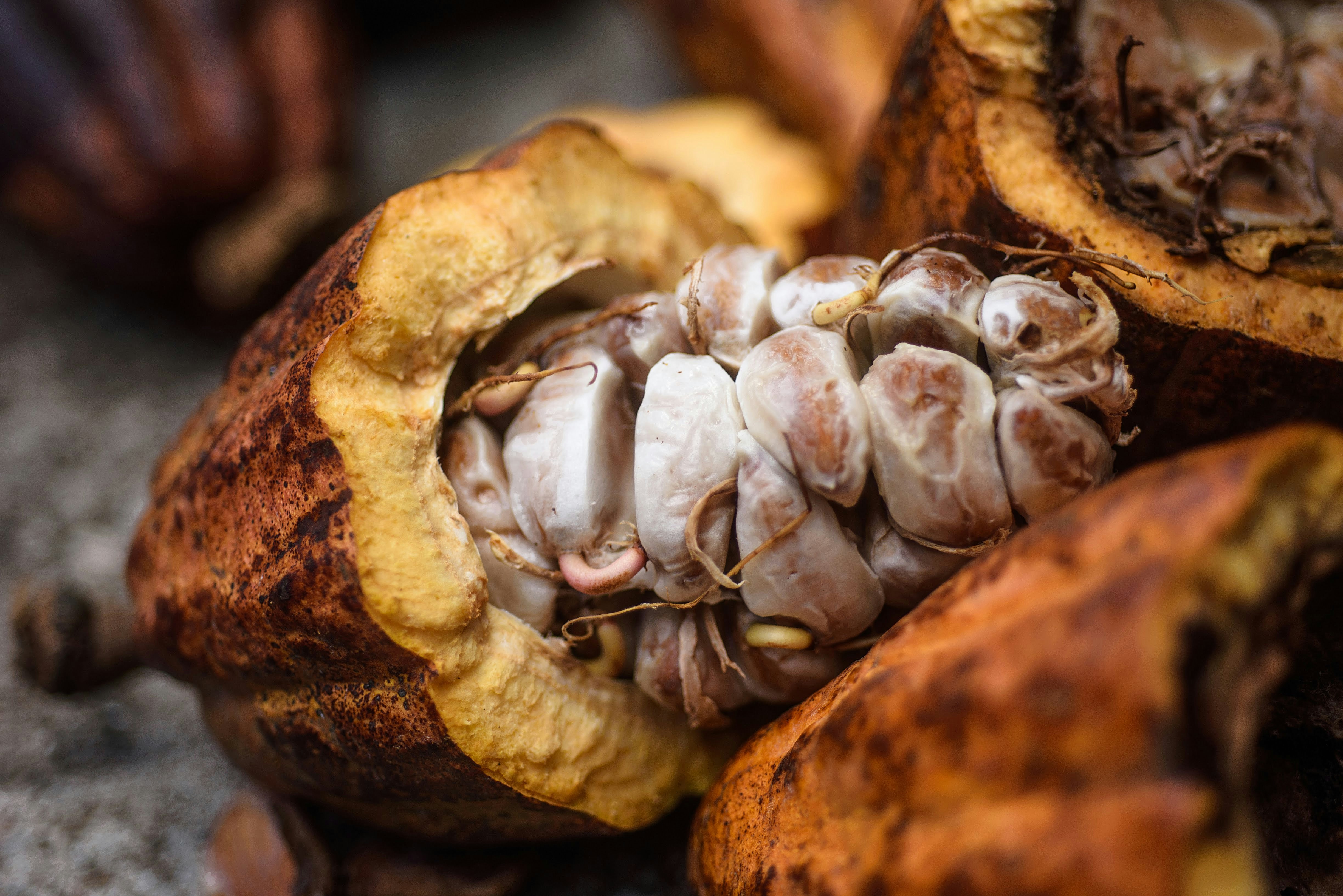
Cacao pods freshly harvested in Ghana, split open to reveal white pulp and brown beans

Brong-Ahafo Region, Ghana — October 2025

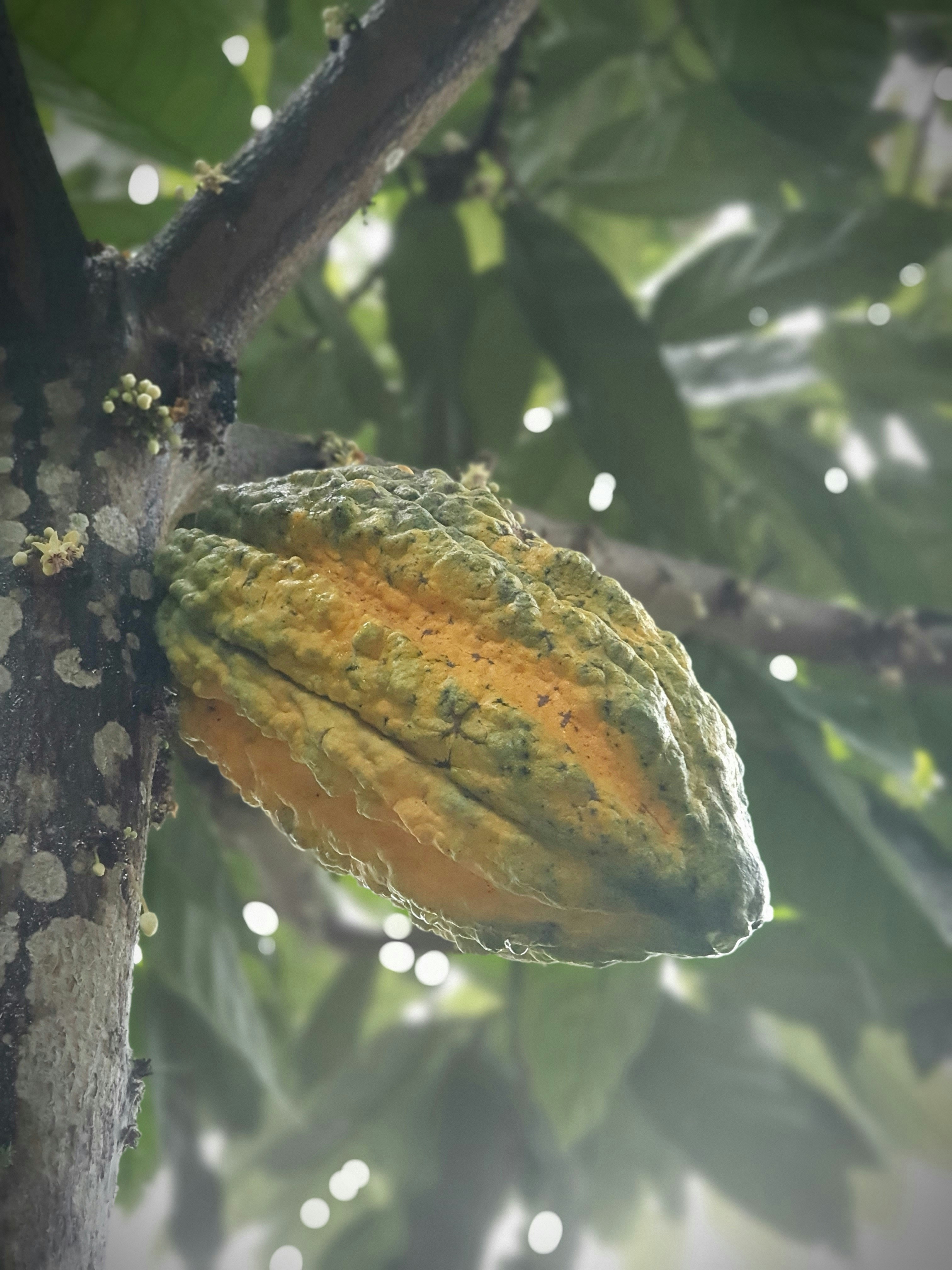
Cacao pods on a tree branch in Ghana, vibrant yellow and orange
Cacao19 min

Kwame Asante's family has grown cacao for three generations. His son will not. We spent a month in the Brong-Ahafo region understanding why.

Read the Investigation
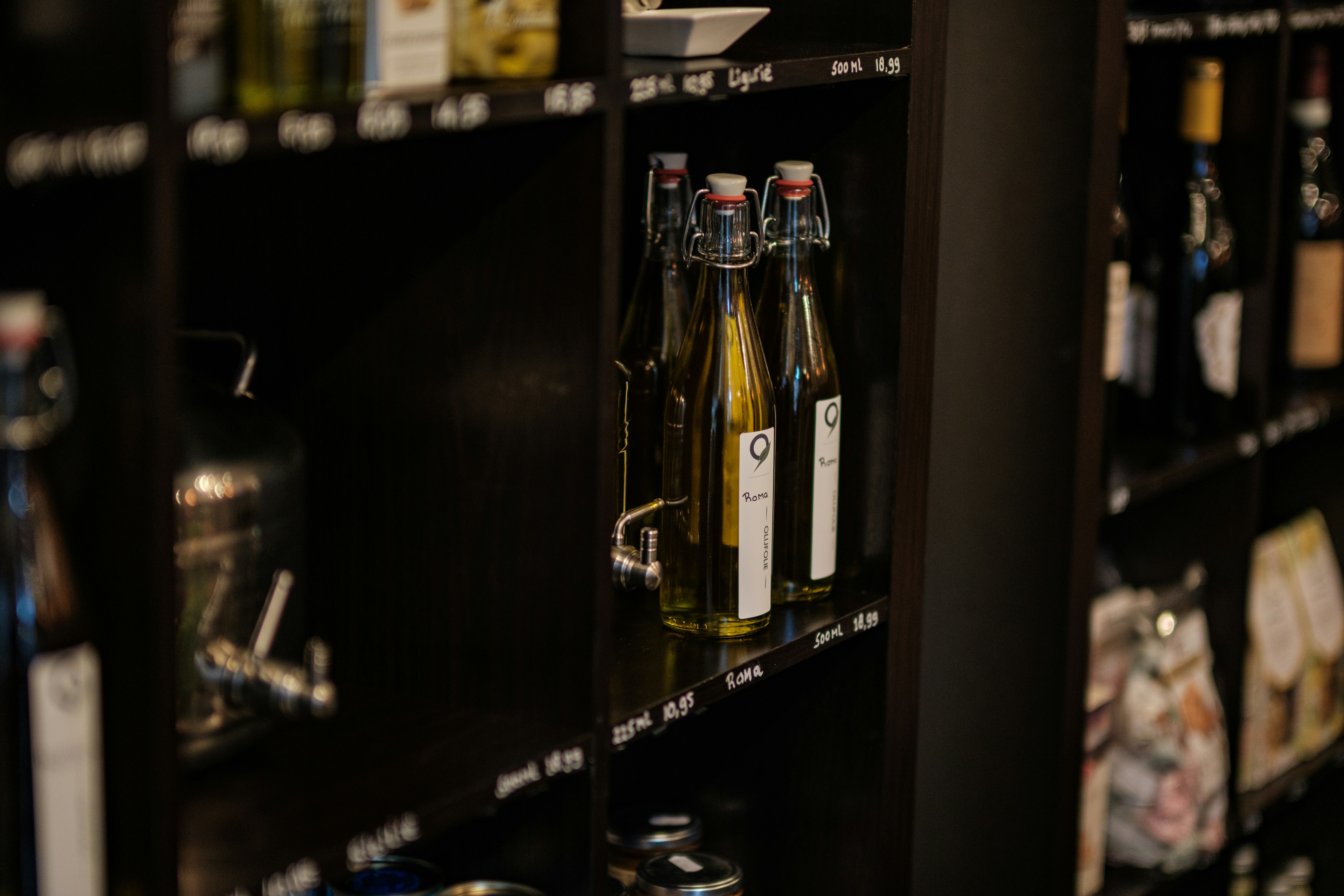
Rows of olive oil bottles on a supermarket shelf
Fraud13 min

Up to 70% of olive oil labelled "extra virgin" fails the chemical test for that designation. The Italian olive oil fraud is the most successful food crime in Europe.

Read the Investigation
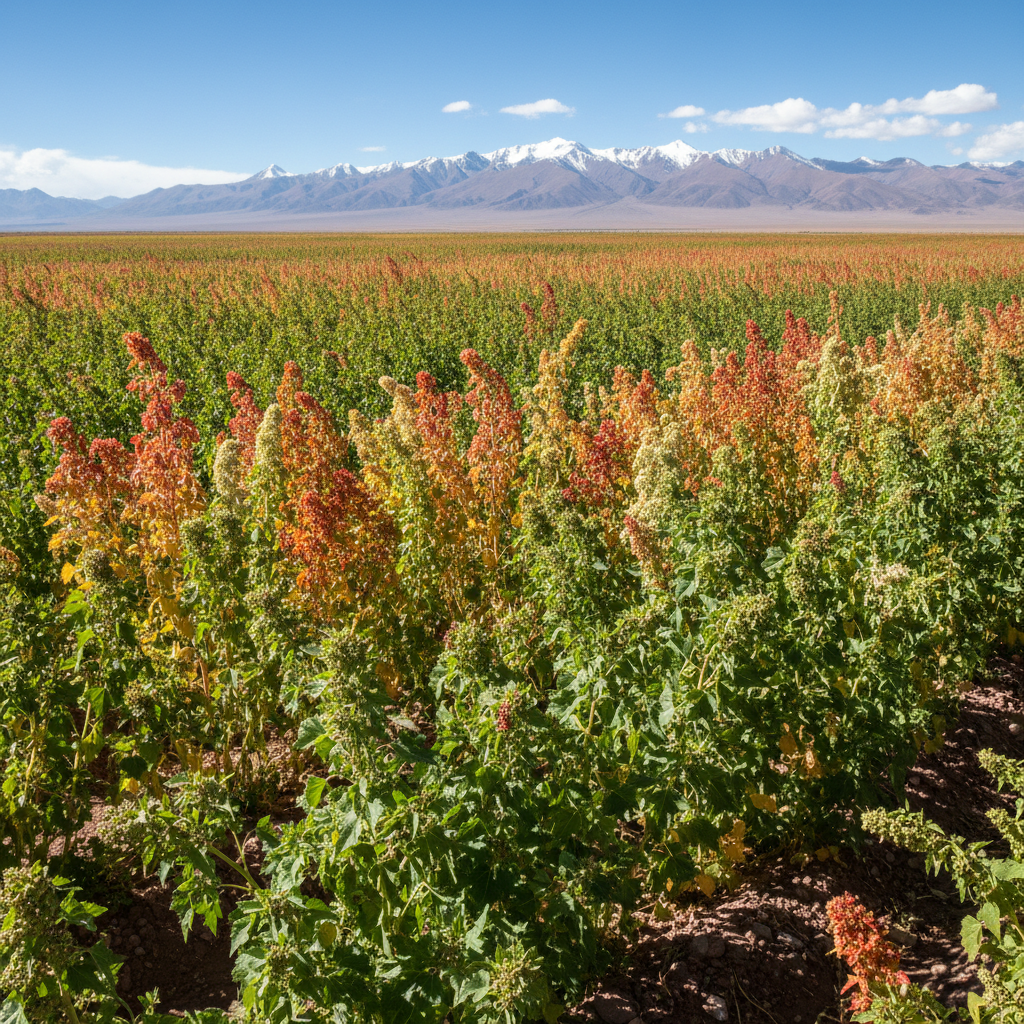
Quinoa plants growing on the Bolivian altiplano at high altitude
Food Sovereignty15 min

When global demand for quinoa tripled between 2006 and 2013, Bolivian smallholders could finally afford to send their children to school. They also couldn't afford to eat it anymore.

Read the Investigation
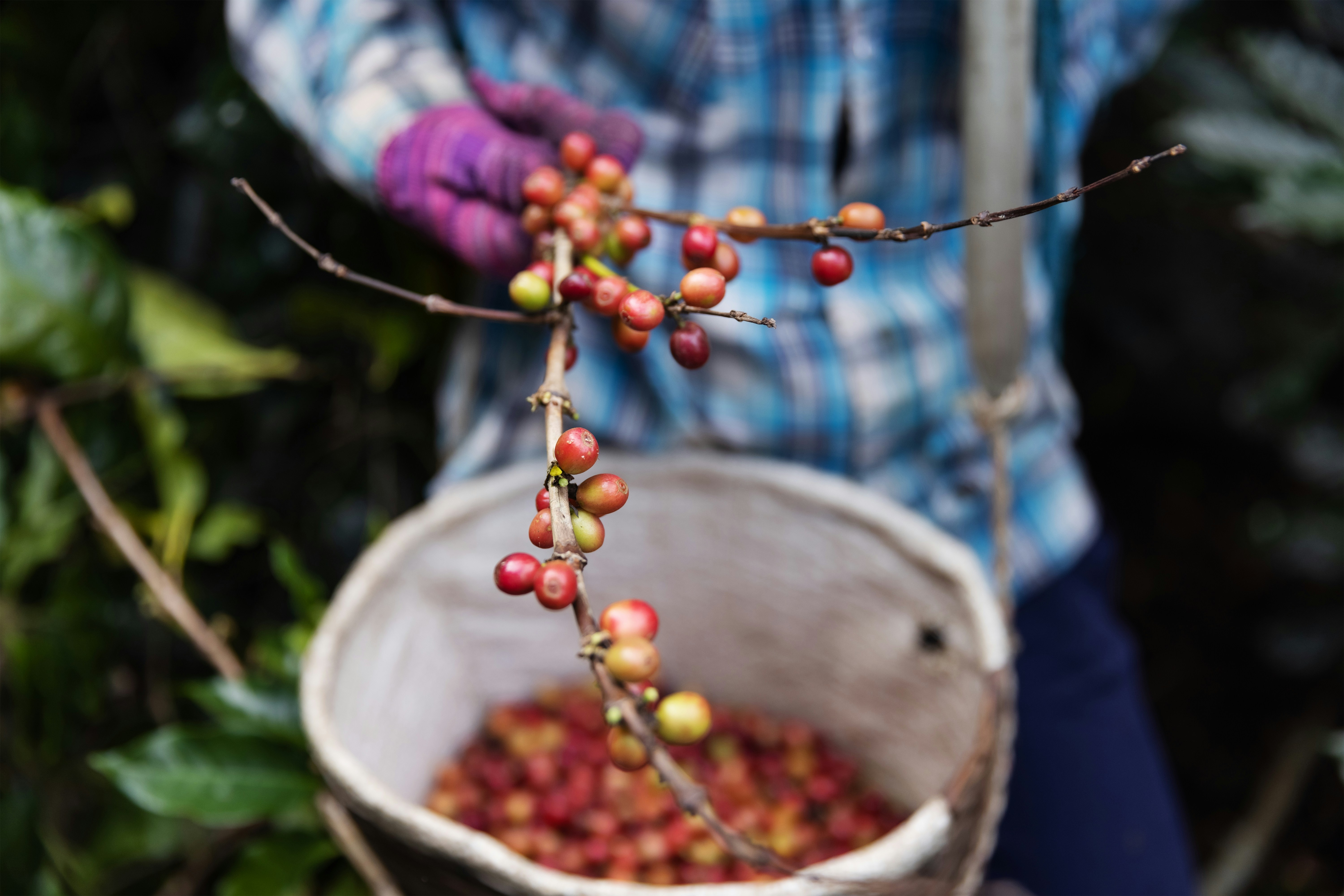
Coffee farmer picking red coffee cherries in an Ethiopian highland
Price Floors10 min

The International Coffee Agreement set a minimum price in 1989. Inflation since then: 248%. The floor: unchanged. A brief history of a broken promise.

Read the Investigation
Home

The Products on Your Shelf

A collection of household cleaning products on a kitchen counter, various coloured bottles

Fine Print"Naturally derived surfactants" — legal in a product containing 60% petrochemicals

Household cleaning aisle, Tesco, London — January 2026

HomeFeatured Investigation

"Natural is not a regulated word. Plant-based is not a regulated word. The only word on that bottle the government defines is the weight."

When Priya Mehta's daughter Anika was diagnosed with mild asthma at the age of two, the first thing her GP suggested was replacing the cleaning products under the kitchen sink. Priya spent the following three weeks reading labels. What she found — or rather, what she could not find — forms the basis of this investigation.

"Plant-based," "natural," "eco-friendly," "green" — none of these terms are regulated in the UK, the EU, or the United States. A product containing 60% petroleum-derived solvents may legally describe itself as "naturally derived" if one of its secondary ingredients comes from a plant. We purchased forty-three cleaning products from seven supermarket chains and had them independently tested. The results were not what the labels suggested.

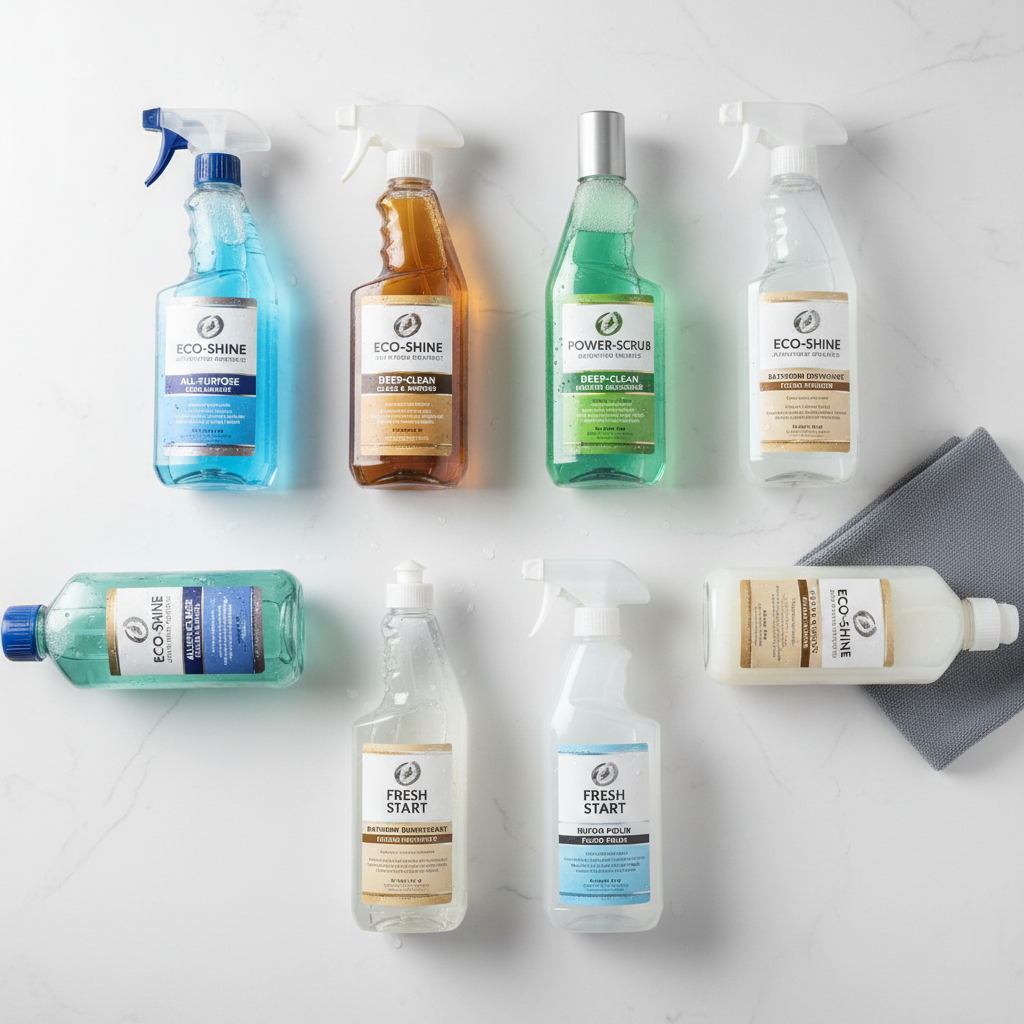
Cleaning products arranged on a kitchen counter, various bottles and sprays
Labelling12 min

Priya Mehta read every label in her cleaning cabinet after her daughter's first asthma attack. What she found — and what "plant-based" legally means — should be on the label.

Read the Investigation
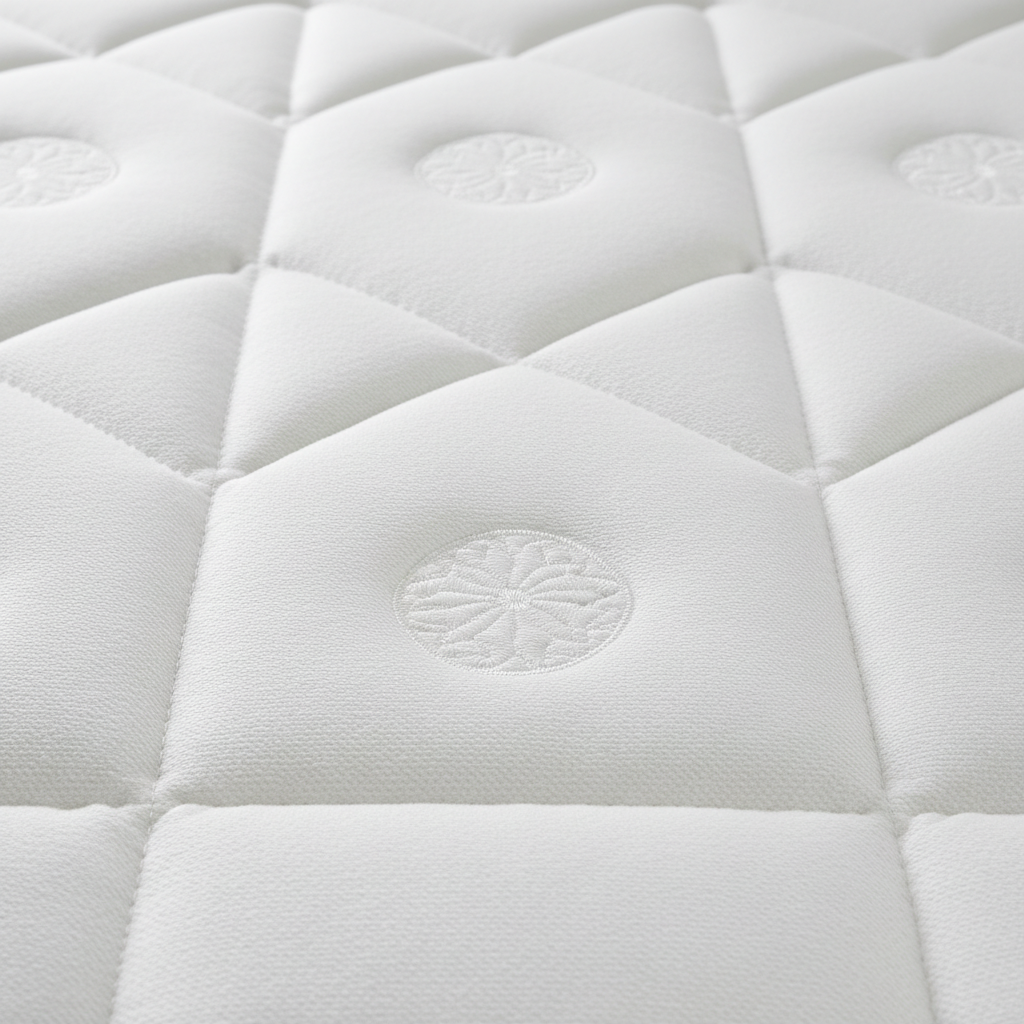
Close-up of a white mattress surface with stitched detailing
Toxicology17 min

Every mattress sold in the UK must pass a flame test. The chemicals used to pass it have been linked to thyroid disruption. The test has not changed since 1988.

Read the Investigation
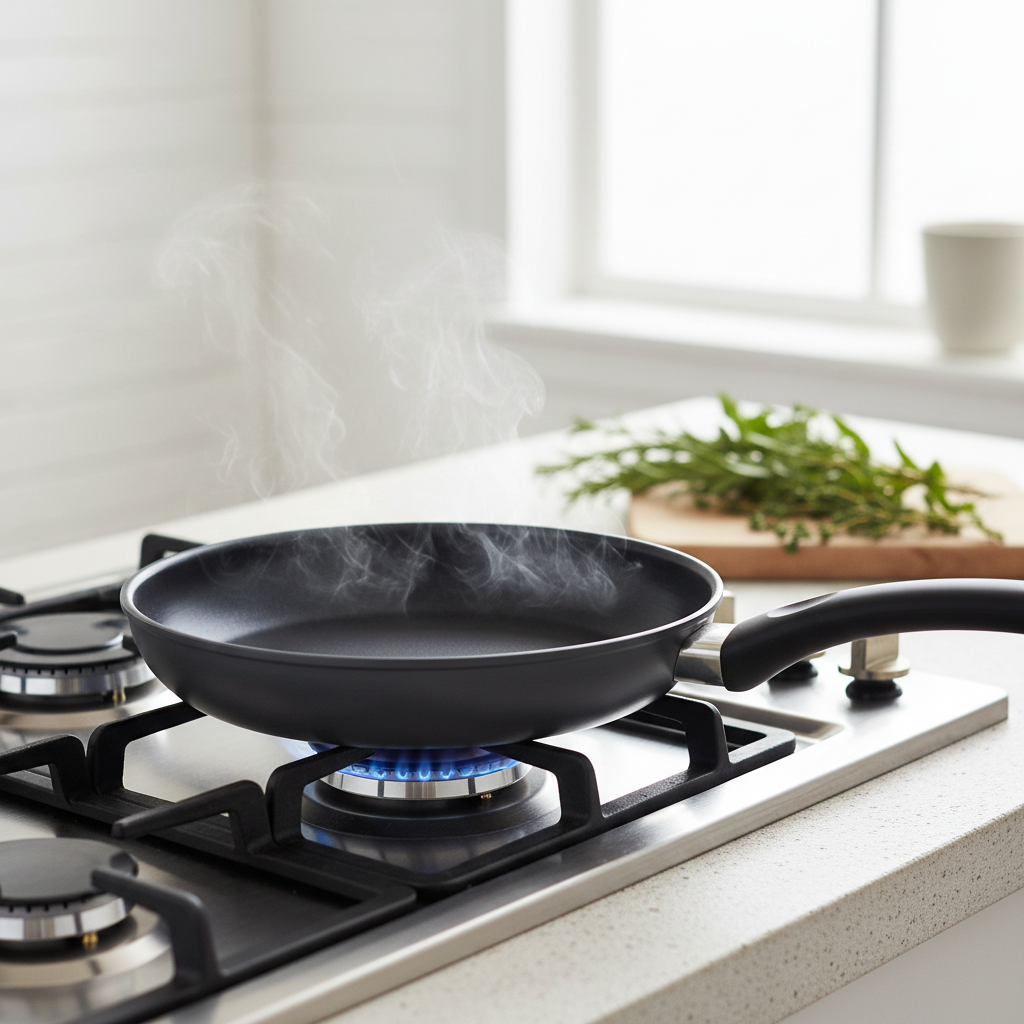
Nonstick frying pan on a gas hob with steam rising
Chemicals20 min

PFOA was banned in 2013. The replacement chemicals — PFAS — behave almost identically. The cookware industry calls them "next-generation." Scientists call them "regrettable substitutions."

Read the Investigation
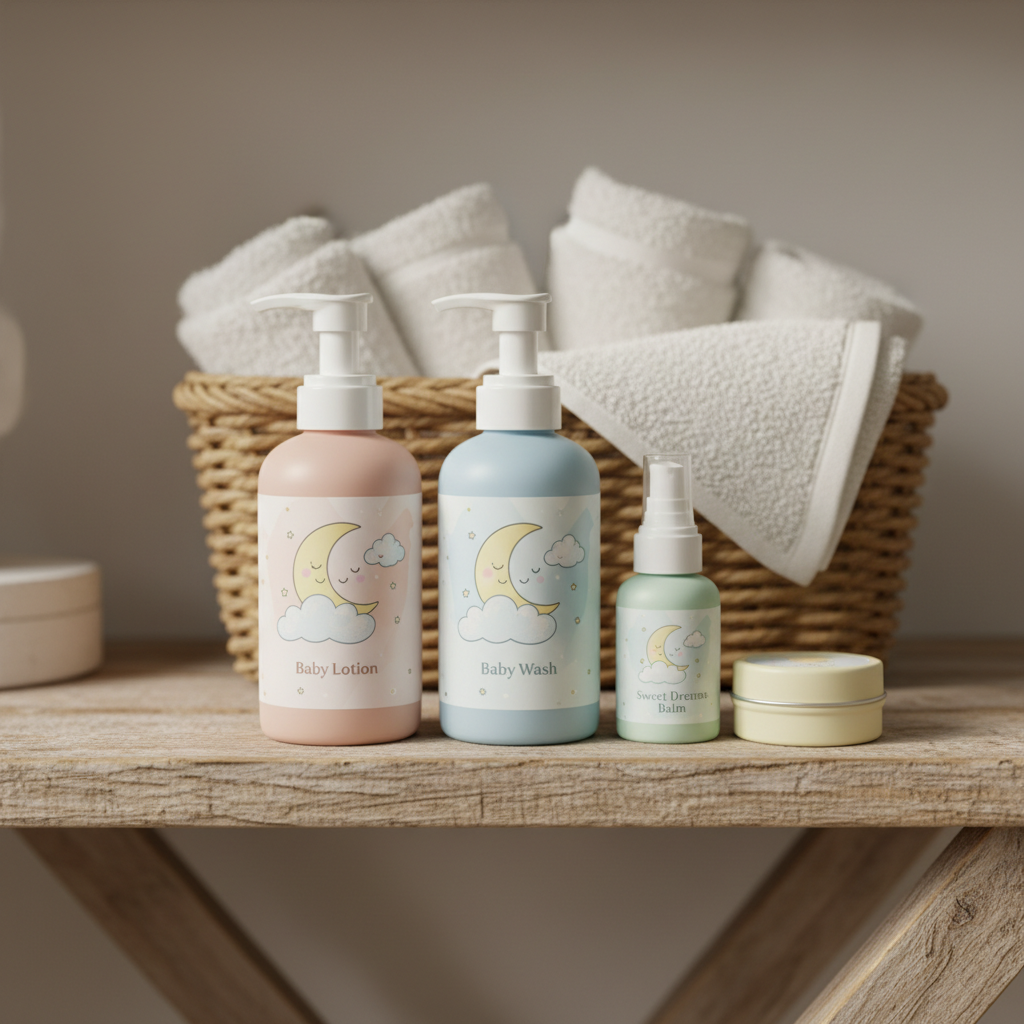
Baby care products on a wooden shelf including lotion and wash bottles
Baby Products14 min

When James and Saoirse Brennan replaced their cleaning cabinet before their daughter arrived, they discovered that "baby-safe" is a marketing claim, not a regulatory category.

Read the Investigation
About Conscience

Independent journalism that reads the fine print so you don't have to.

Conscience is a reader-funded digital broadsheet. We accept no advertising from the industries we cover. Our investigations are funded by readers who believe that the story of where things come from is as important as the things themselves.

We are journalists, not activists. We follow the supply chain wherever it leads. We name names when we can prove them. We correct errors publicly and without delay.

47
Investigations published
12
Countries reported from
94
Sources interviewed
38k
Sunday Edition readers
Sunday Edition

Get the Sunday Edition

Every Sunday morning, one new investigation lands in your inbox. No newsletter roundup. No digest. One story, reported properly, delivered to you before the week begins.

"The best 20 minutes of my Sunday morning." — a reader

Reader-funded. No advertising. Unsubscribe any time.